
The soft food stage is the one most people look forward to after a gastric sleeve. After weeks of fluids and purées, being able to eat something with a little texture again feels like a genuine milestone. But it can also be daunting — portions are tiny, protein has to come first, and it is hard to know what will actually sit comfortably.
This guide brings together gastric sleeve soft foods recipes built around Australian ingredients, metric measurements, and what you can realistically find at Coles or Woolworths. Everything here is soft, moist, protein-focused, and easy to portion into the small serves this stage calls for.
What makes a good soft food after a gastric sleeve?
The soft food stage typically sits between puréed food and normal textures, and most Australian bariatric teams place it somewhere around weeks three to six — though your team’s timeline is the one that matters. The goal is food that needs very little chewing, holds moisture, and delivers as much protein as possible in a very small volume.
A good soft food generally:
- Mashes easily with a fork — if it needs real chewing, it is probably too early for it.
- Stays moist. Dry foods are the usual culprit behind discomfort. Sauces, stock, yoghurt, and ricotta all help.
- Leads with protein. Protein comes first at every meal; vegetables and carbohydrates fill whatever small space is left.
- Portions small. Many people are eating around 60–125 mL (a few tablespoons) per meal at this stage.
The most common mistake is rushing texture. Moving up too quickly — or eating something dry, stringy, or doughy — is what tends to cause pain, nausea, or vomiting. Slow, moist, and soft wins every time.
Australian pantry staples for the soft food stage
These are the ingredients worth keeping on hand. All are easy to find in Australian supermarkets:
| Ingredient | Protein (approx.) | Why It Works |
|---|---|---|
| Fresh ricotta | ~11 g per 100 g | Naturally soft and moist, mild flavour, works sweet or savoury. |
| Greek yoghurt (plain) | ~9 g per 100 g | High protein, smooth, and gentle. Choose unsweetened. |
| Eggs | ~6 g per egg | Soft-scrambled or baked, they are the classic soft-stage protein. |
| Tinned salmon or tuna (in springwater) | ~22 g per 100 g | Flakes finely, mashes well, and needs no cooking. |
| Cottage cheese | ~12 g per 100 g | Very high protein for the volume; blend it if the curds feel too lumpy. |
| Silken tofu | ~8 g per 100 g | Blends into a silky base for savoury or sweet, and is dairy-free. |
| Unflavoured protein powder | Varies | Stirs into soups, yoghurt, or custard to lift protein without adding bulk. |
Featured recipe: high-protein baked ricotta
This is the recipe we come back to most for the soft stage. It is genuinely soft, holds plenty of moisture, delivers around 15 g of protein per small serve, and can swing savoury or sweet depending on what you feel like. It also keeps in the fridge for a few days, which matters when you are only eating a few tablespoons at a time.
High-Protein Baked Ricotta (Soft Food Stage)
A soft, creamy, protein-rich bake portioned into small serves — gentle on a healing sleeve and easy to prepare ahead.
Ingredients
- 500 g fresh smooth ricotta
- 2 eggs, lightly beaten
- 30 g parmesan, finely grated
- 2 tablespoons plain Greek yoghurt
- 1 teaspoon dried Italian herbs
- 1/4 teaspoon salt (or to your dietitian’s guidance)
- Pinch of white pepper
- Olive oil spray, for the dishes
Instructions
- Preheat the oven to 180°C (160°C fan-forced). Lightly spray six small ramekins with olive oil.
- In a bowl, beat the ricotta until completely smooth — a stick blender gives the silkiest result and removes any graininess.
- Mix in the eggs, parmesan, yoghurt, herbs, salt, and white pepper until the mixture is even and creamy with no lumps.
- Divide between the ramekins, filling each about three-quarters full, and smooth the tops.
- Bake for 22–25 minutes, until just set with a very slight wobble in the centre. Do not overbake, or the texture turns rubbery and dry.
- Cool for 10 minutes before eating. Start with a few teaspoons, eat slowly, and stop as soon as you feel satisfied.
More soft food recipe ideas
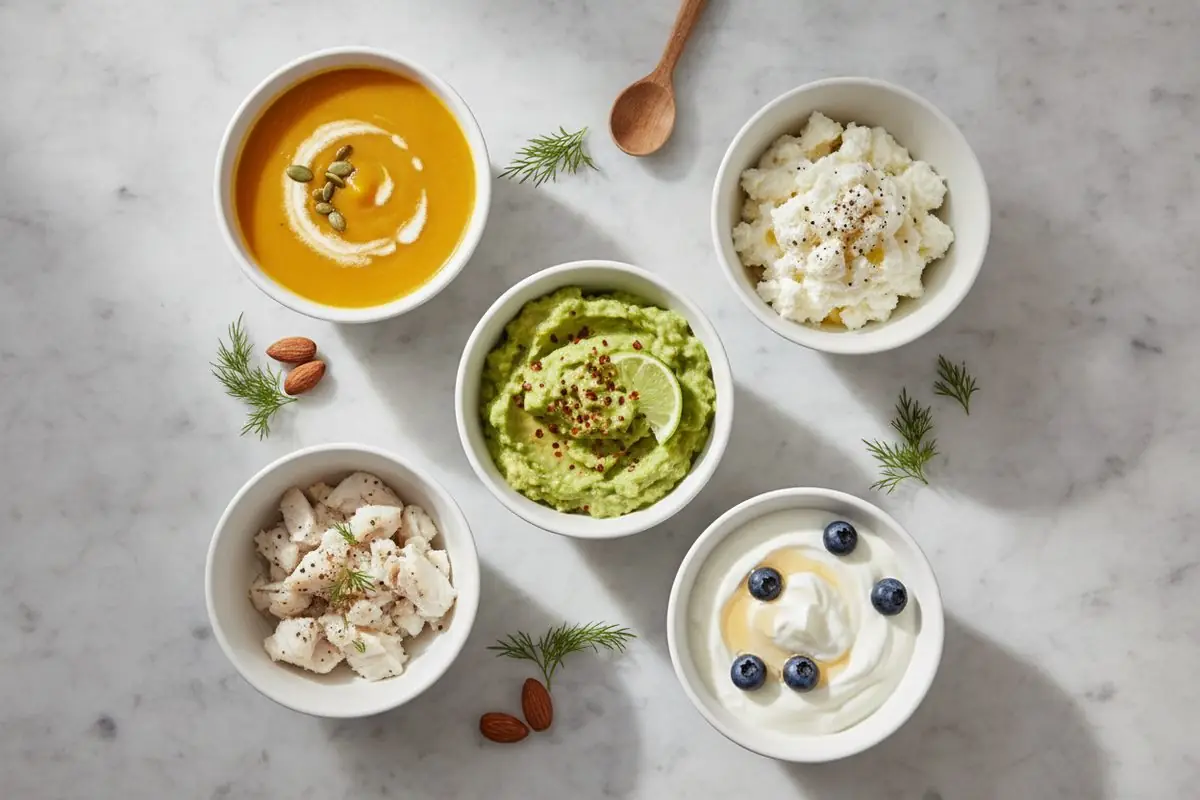
Once the ricotta bake is in your rotation, these are the other soft options worth having up your sleeve. All use Australian supermarket ingredients and all mash easily with a fork.
Silky scrambled eggs with ricotta
Whisk two eggs with a tablespoon of ricotta and cook very gently over low heat, stirring constantly, pulling them off while still glossy and soft. The ricotta keeps them creamy rather than rubbery. Roughly 14 g of protein, and about as gentle as food gets.
Blended pumpkin and red lentil soup
Simmer diced butternut pumpkin with red lentils in salt-reduced stock until completely soft, then blend until silky. The lentils add protein and body, and a spoonful of Greek yoghurt stirred through at the end lifts it further. Freeze in ice cube trays for perfectly portioned serves.
Mashed tinned salmon with avocado
Mash tinned salmon (in springwater, well drained, bones removed) with soft avocado and a squeeze of lemon until smooth and spreadable. No cooking, around 20 g of protein per small serve, and the avocado keeps everything moist.
Slow-cooked mince with gravy
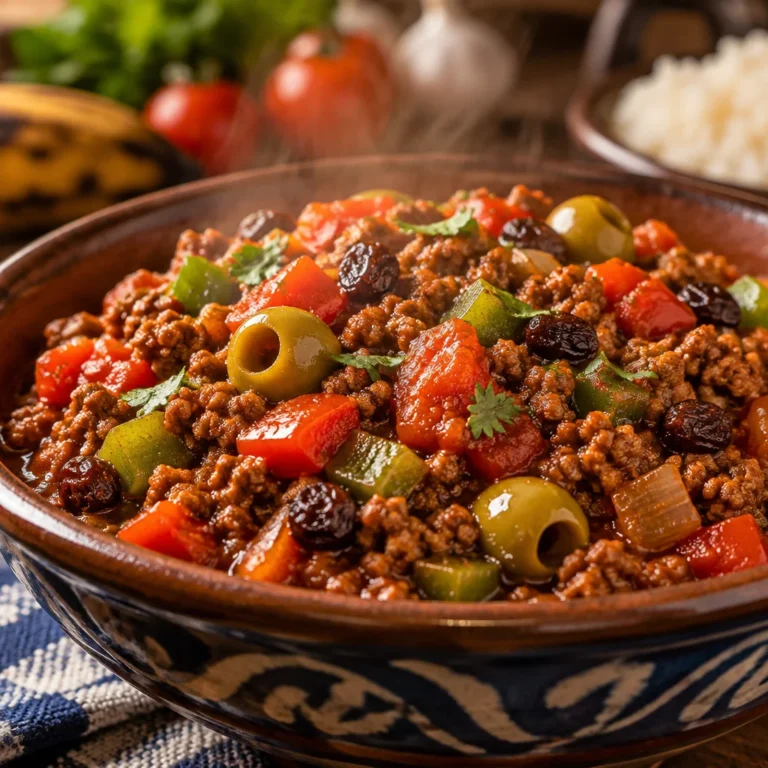
Simmer beef or chicken mince gently in stock until very tender, then blend or mash it with plenty of the cooking liquid so it stays moist. Dry mince is uncomfortable at this stage, so err on the saucier side. Many people find finely minced chicken easier than beef early on.
Savoury silken tofu bowl
Warm silken tofu gently and mash it with a little salt-reduced soy sauce and sesame oil. It is naturally soft, dairy-free, and a genuinely underrated protein source for this stage.
High-protein baked custard
Whisk eggs with milk, a little vanilla, and a scoop of unflavoured protein powder, then bake in ramekins in a water bath until just set. It satisfies a sweet craving while still delivering protein.
Portion sizes and eating technique
At the soft food stage, how you eat matters as much as what you eat. These are the habits Australian bariatric dietitians emphasise most:
| Habit | What It Looks Like | Why It Matters |
|---|---|---|
| Protein first | Eat the protein portion before anything else | Your capacity is tiny — protein needs to fill it before carbohydrates do. |
| Small serves | Often around 60–125 mL per meal | Overfilling a healing stomach causes pain and nausea. |
| Eat slowly | 20–30 minutes per meal | Fullness signals arrive late; slow eating prevents overshooting. |
| Separate fluids | No drinks 30 minutes before or after eating | Liquid takes up space you need for protein and can push food through too quickly. |
| Stop at satisfied | Not full — satisfied | “Full” at this stage usually means you have already had slightly too much. |
Common problems and how to fix them
| Problem | Likely Cause | What Usually Helps |
|---|---|---|
| Food feels stuck or uncomfortable | Texture too firm, bites too big, or eating too fast | Go back to a softer, moister texture, take smaller bites, and slow right down. Mention it to your team if it keeps happening. |
| Struggling to hit protein targets | Very small capacity | Choose protein-dense foods first, and stir unflavoured protein powder into soups or yoghurt. |
| Everything tastes bland | Taste changes are common after surgery | Use herbs, lemon, and mild spices rather than salt or sugar. Flavours often shift again over time. |
| Bored with the same foods | Limited texture options | Rotate the base (ricotta, eggs, fish, tofu, mince) and vary the seasoning rather than the texture. |
| Nausea after meals | Portion too large, or eating too quickly | Halve the portion, extend the meal to 20–30 minutes, and speak with your dietitian if it persists. |
Meal prep tips for small serves
Cooking for a bariatric appetite is its own skill — a normal recipe makes what is, for you, about eight meals. A few things make it far easier. Ice cube trays are the single best tool: freeze soups and blended mince in cubes and thaw exactly what you need. Ramekins portion baked dishes automatically. And label everything with the date, because at a few tablespoons per meal, a batch lasts much longer than you would expect.
It is also worth cooking things that reheat gently. Anything that goes rubbery in the microwave — overcooked egg, dry mince — will be uncomfortable second time around. Adding a splash of stock or a spoonful of yoghurt when reheating restores moisture.
When to speak with your team
Recipes can only take you so far. Contact your surgeon, GP, or dietitian if you experience persistent vomiting, pain when eating, difficulty keeping fluids down, or if you are consistently unable to meet the protein and hydration targets they have set. These are common enough concerns after bariatric surgery and are much easier to sort out early. In Australia you can find an Accredited Practising Dietitian with bariatric experience through Dietitians Australia.
Frequently Asked Questions
How long does the soft food stage last after a gastric sleeve?
It varies between surgeons and patients, but it commonly sits somewhere around weeks three to six after surgery. Your own bariatric team sets your timeline based on how you are healing — always follow their plan rather than a general guide.
How much protein do I need at this stage?
Most Australian bariatric programs target somewhere around 60–80 g of protein per day, but your dietitian will set a figure specific to you. Because portions are tiny, the practical approach is to eat protein first at every meal and top up with unflavoured protein powder if needed.
What soft foods should I avoid?
Generally anything dry, stringy, doughy, or tough — think fresh bread, rice, pasta, steak, and fibrous vegetables. Many people also find very sugary or greasy foods sit badly. Your team will give you a specific list for your program.
Can I use protein powder in these recipes?
Yes — unflavoured powder stirs easily into soups, custards, yoghurt, and mashed dishes without changing the texture much. It is one of the simplest ways to lift protein when your portions are small. Check with your dietitian on the brand and amount.
Where can I find these ingredients in Australia?
Everything here is available at Coles and Woolworths: fresh ricotta and cottage cheese in the dairy aisle, silken tofu in the chilled section, tinned salmon in springwater in the pantry aisle, and unflavoured protein powder in the health food section or at a chemist.
Can I freeze soft food meals?
Most of them, yes. Soups and blended mince freeze particularly well — ice cube trays give you perfectly sized portions. Egg-based dishes like baked ricotta and custard are better kept in the fridge for a few days, as freezing changes their texture.
Bring it to the table
The soft food stage is short, but it is the point where eating starts feeling normal again. Keep the textures soft, keep meals moist, put protein first, and go slowly — and lean on a handful of reliable recipes rather than reinventing dinner every night. Your bariatric team remains your best guide throughout; these recipes are simply here to make the cooking part easier.