
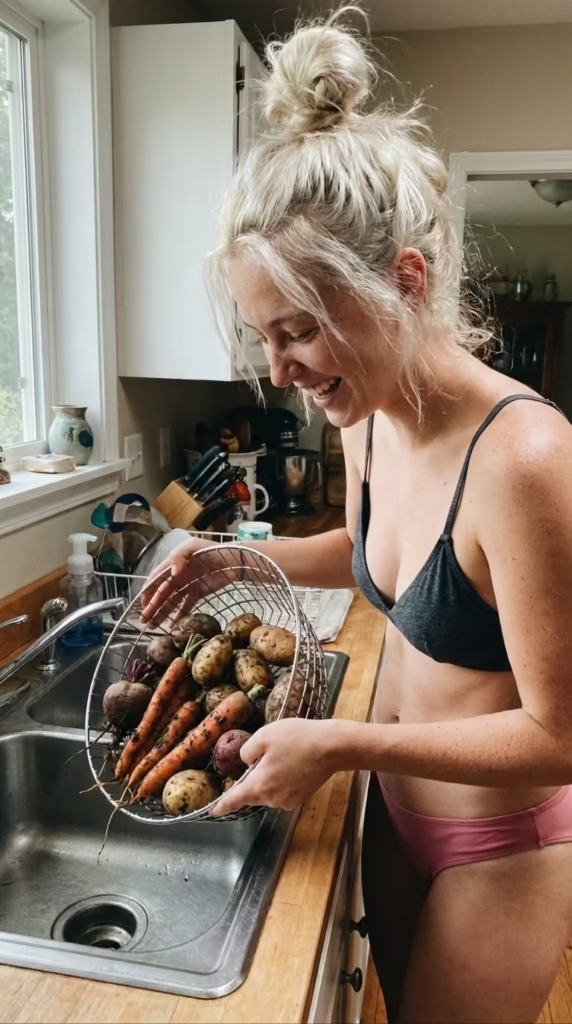
There is something satisfying about bringing vegetables straight from the garden into the kitchen.
They’re usually covered in soil, the shapes aren’t perfect, and sometimes you’re not even completely sure what you’re going to cook with them yet.
But that’s part of what makes it special.
On this particular day, I came inside with a small harvest of carrots, potatoes, beets, and a few other vegetables that needed a good cleaning before I could decide what to do with them.
And although washing vegetables sounds simple, there are actually a few things I’ve learned that can help them stay fresh longer.
The First Thing I Do After Harvesting
When I bring vegetables inside, I try not to leave them sitting in a warm kitchen for too long.
Root vegetables generally prefer cool conditions.
If they’re covered with loose soil, I’ll first shake or gently brush away as much dirt as possible.
Then I separate anything that looks damaged.
A vegetable with a deep cut, soft spot, or bruise is usually one I’ll use first rather than putting it into long-term storage.
Should You Wash Vegetables Immediately?
This depends on what you plan to do with them.
If I know I’m going to cook the vegetables soon, I usually wash them right away.
I place them in a basket or colander and rinse them under cool running water.
The soil around freshly harvested carrots and beets can be stubborn, so sometimes I gently rub the surface with my hands or use a vegetable brush.
The important part is not damaging the skin.
The skin helps protect many root vegetables during storage.
Washing Fresh Carrots
Fresh carrots can carry quite a bit of soil, especially if the garden was wet when they were pulled.
I rinse them with cool water and gently scrub away any remaining dirt.
If you’re storing carrots, remove the leafy tops first.
The greens can continue pulling moisture from the carrot after harvesting, which can make the roots lose their crisp texture faster.
For short-term storage, clean carrots can go into the refrigerator once they are dry.
Cleaning Potatoes
Potatoes are a little different.
If I’m cooking them that day, I’ll wash them normally.
But potatoes that are going into longer-term storage are often better kept dry.
Instead of washing them immediately, gently brush off the loose dirt and allow them to dry.
Store them somewhere cool, dark, and well ventilated.
Light can cause potatoes to turn green, so keeping them away from sunlight is important.
What About Beets?
Beets are one of my favorite vegetables to harvest because you get both the root and the greens.
When preparing beets for storage, I trim the greens while leaving a small amount of the stem attached.
Then I remove excess soil.
If I’m using them soon, they get rinsed along with the rest of the day’s harvest.
Fresh beets can be roasted, boiled, added to salads, or even pickled.
Drying Is More Important Than It Looks

One mistake I used to make was washing vegetables and immediately putting them into storage while they were still wet.
Extra moisture can encourage vegetables to deteriorate faster.
After washing, I let everything drain thoroughly.
For small harvests, spreading the vegetables onto a clean kitchen towel works perfectly.
Give them enough time for the surface moisture to disappear before storing them.
How I Store Different Vegetables
Not everything from the garden should be stored the same way.
Carrots and beets:
Usually do well refrigerated in a high-humidity environment.
Potatoes:
Prefer somewhere cool, dark, dry, and ventilated.
Onions:
Need airflow and shouldn’t be packed into sealed containers.
Fresh greens:
Usually go directly into the refrigerator and are eaten relatively quickly.
Learning these little differences can make a surprising difference in how long your harvest lasts.
Don’t Throw Away the Imperfect Ones
Homegrown vegetables rarely look exactly like vegetables from a supermarket.
Some carrots grow crooked.
Potatoes come in strange shapes.
Beets can be tiny or enormous.
None of that really matters.
If they’re healthy and fresh, the imperfect vegetables usually taste just as good.
I actually enjoy seeing the odd shapes because they’re a reminder that the food came from real soil rather than a perfectly organized produce shelf.
What I Make With a Mixed Harvest
When I have carrots, potatoes, and beets together, my easiest option is usually roasted vegetables.
I chop everything into similar-sized pieces, add a little oil and seasoning, and roast them until the edges start to brown.
You can also use a mixed harvest for:
- Vegetable soup
- Stews
- Sheet-pan dinners
- Roasted vegetable salads
- Homemade vegetable stock
- Pickled vegetables
Sometimes the best meals start with whatever happened to be ready in the garden that morning.
A Small Routine I’ve Grown to Love
Cleaning vegetables at the sink isn’t exactly the glamorous part of gardening.
There is soil everywhere.
The sink gets dirty.
The kitchen counter usually needs cleaning afterward.
But I still enjoy it.
There’s something different about preparing food when you remember pulling it out of the ground only a few minutes earlier.
From garden soil to kitchen sink to dinner plate—it makes even a simple meal feel a little more meaningful.
And that might be my favorite part of growing food.